

Osseointegration prosthesis represents a significant advancement in the world of prosthetics, offering an alternative to traditional stump prostheses. If you’ve experienced limb loss, this procedure may provide improved comfort, mobility, and a greater sense of control over your prosthetic. Unlike conventional socket-based prosthetics, the osseointegration prosthesis connects directly to the bone, bypassing the need for a socket that often causes discomfort. The process involves a surgical procedure in which an implant is inserted into the bone, providing a stable anchor for the prosthetic limb.
The surgical procedure of osseointegration and its benefits
The osseointegration surgery involves inserting a titanium rod directly into the bone of the residual limb. Over time, the bone grows into the implant, creating a secure and durable connection. This surgical procedure eliminates the need for a prosthetic socket, which is commonly used in stump prostheses and is often associated with issues like skin irritation, sweating, and improper fit. With osseointegration, these issues are minimized, leading to increased comfort for the user. Additionally, because the prosthesis attaches directly to the bone, it allows for a more natural transfer of energy and a greater range of motion, offering users a higher level of mobility.
The recovery process for osseointegration, however, requires patience. You need to go through a period of gradual weight-bearing and rehabilitation to allow the bone and surrounding tissues to adapt to the implant. But once this period is over, many patients report a significant improvement in their ability to walk and perform daily activities. Furthermore, the connection to the bone allows for enhanced proprioception, meaning you have a better sense of where your limb is in space, which can improve balance and coordination.
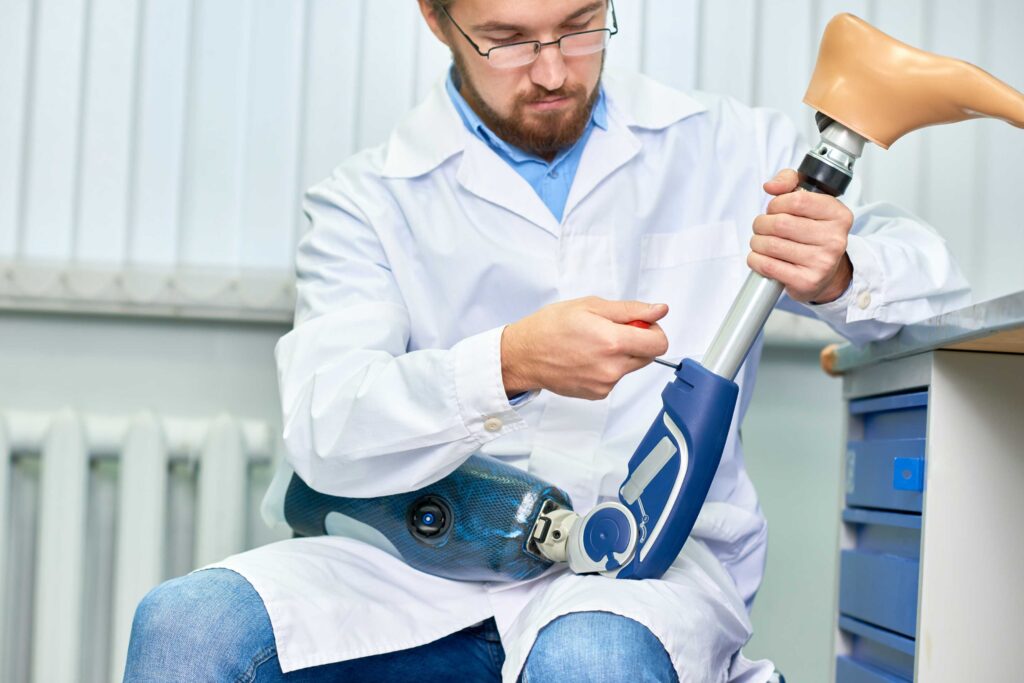
Comparison between stump prosthesis and osseointegration prosthesis
When considering a stump prosthesis versus an osseointegration prosthesis, there are key differences to note. Stump prostheses rely on a socket system to attach the artificial limb, which can create a host of complications. The socket must fit snugly, but changes in weight, swelling, or atrophy can cause the prosthesis to become ill-fitting, leading to discomfort and reduced functionality. Additionally, prolonged use of a socket-based prosthesis can cause skin problems, including rashes and sores, especially in warmer climates or during physical activity.
In contrast, the osseointegration prosthesis provides a more permanent solution. Since the prosthetic limb is anchored directly to the bone, you don’t need to worry about these external fitting issues. The absence of a socket means that you can expect greater comfort and mobility. For those who lead active lives or engage in activities that require extensive movement, the osseointegration option often proves to be superior. However, this method is not without risks; infection, implant loosening, and fractures are possible complications.
Long-term outcomes and lifestyle improvements with osseointegration
Many individuals who switch to an osseointegration prosthesis report improved quality of life. The increased comfort and mobility mean that tasks that were once challenging with a stump prosthesis become more manageable. Additionally, the psychological benefits cannot be overlooked. Many people feel more confident and in control with the osseointegration prosthesis because of the direct connection to their body and the more natural movement it offers.