
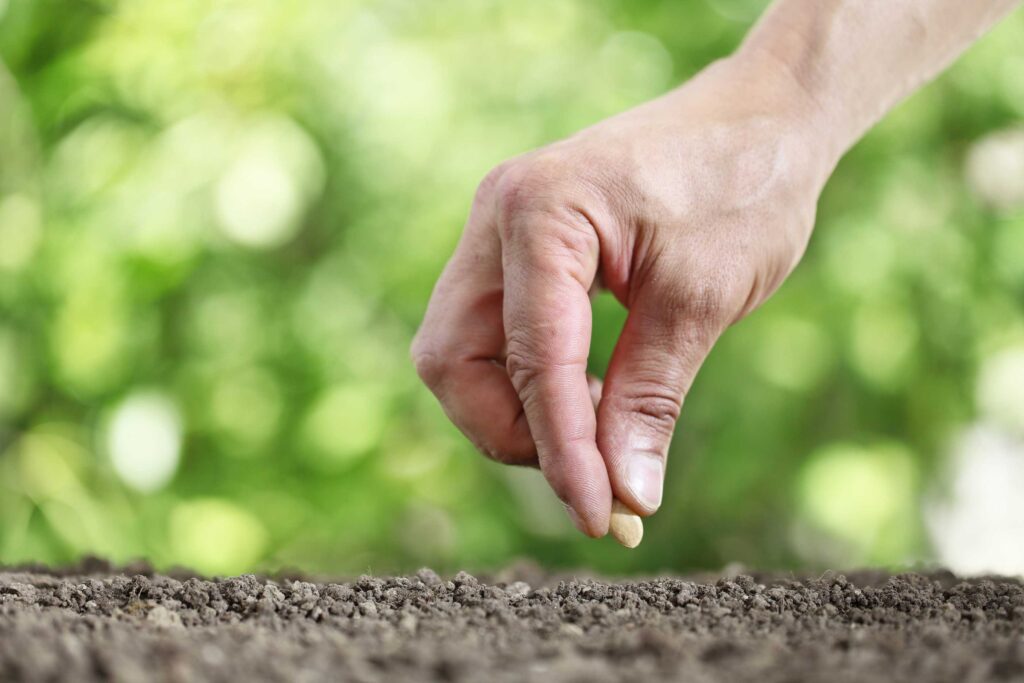
In horticulture, a robust root system is paramount to a plant’s overall health. Think of roots as the foundation; strong roots make for resilient plants. Using a root stimulator for plants can significantly enhance this foundation, bringing nutrient and water absorption to new heights. This piece delves into why root stimulators are not just an addition but an important component for your plants. From the science behind the formulation to strategic application, we cover it all.
How root stimulators enhance nutrient uptake and growth
Root stimulators operate by promoting the development of fine root hairs and secondary roots. This increase in root surface area allows for better nutrient uptake from the soil. The scientific principles involve elements like phosphorus, which is critical for energy transfer within the plant. Additionally, root stimulators often contain beneficial microbes that form symbiotic relationships with the plant. These microbes help in the breakdown of organic matter, making nutrients more accessible. When you introduce root stimulators into your gardening routine, you essentially turbocharge the root’s ability to absorb nutrients and water, leading to healthier, more vigorous plants.

Tips for integrating root stimulators into your gardening routine
When incorporating root stimulators into your gardening practices, timing is essential. The best time to apply a root stimulator is during the early stages of plant growth, such as immediately after transplantation or during initial seedling development. Mix the stimulator with water according to the package instructions and apply it directly to the base of the plant. Consistency is key; make sure to repeat the process as recommended to see the best results. Additionally, ensure your soil is well-draining but retains sufficient moisture to make the most of the root stimulator’s benefits. Keep an eye on overall plant health, adjusting other aspects of care, such as fertilization and pruning, based on the visible improvements in root development.