
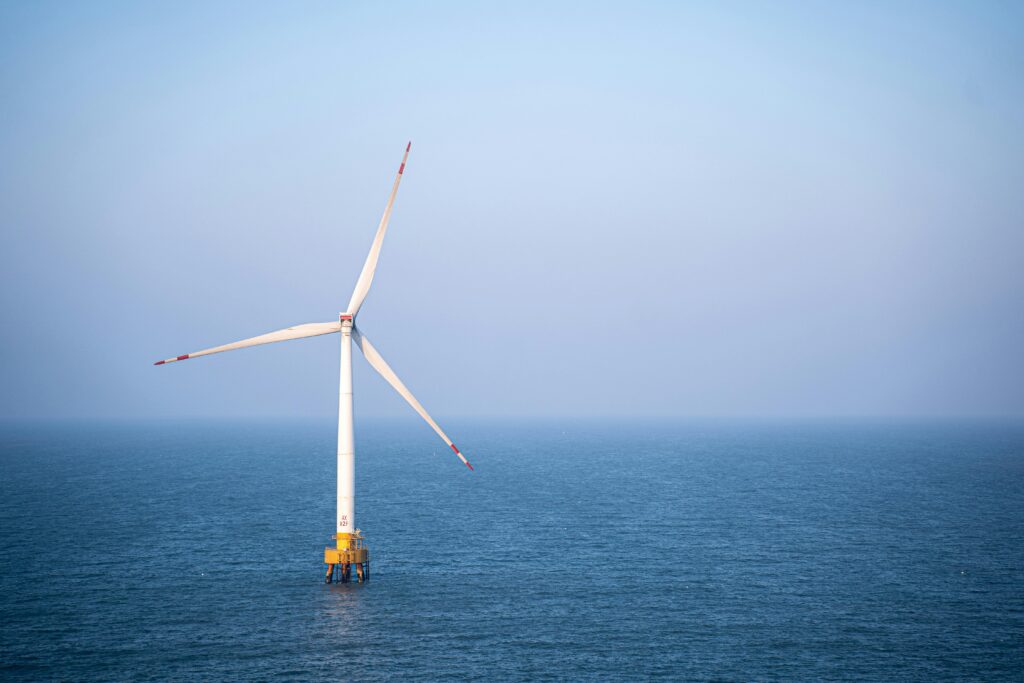
Offshore structures stay in seawater for many years then corrosion slowly weakens the metal surfaces, even when regular care is taken. Since floating platforms hold critical equipment for clean energy, operators look for methods that lower repair costs while keeping the structures strong. Because impressed current cathodic protection, or ICCP, offers steady protection over long periods, many offshore teams now view it as a practical way to cut lifetime expenses. Although each site has different needs, the value becomes clear when ICCP systems protect assets linked to a floating wind power plant, since these platforms must handle deep water and constant motion.
Rise of deep-water platforms
As more energy companies explore deeper areas of the sea, floating wind platforms have become important, since traditional fixed-bottom foundations cannot operate well beyond shallow water. Because floating systems sit on air-filled foundations held in place by anchors, they can function in water much deeper than older turbine designs. While this setup allows access to stronger and more stable wind patterns, it also exposes the structure to long-term corrosion risks. Since a floating wind power plant operates far from shore and must withstand harsh weather, strong corrosion protection becomes critical for long-range financial planning.
Why corrosion increases long-term costs
When metal parts on floating platforms weaken, repairs become costly, since vessels, divers, and specialized teams must be used to restore damaged areas. While these costs may not appear large in the first years of operation, they rise sharply over the full project life, especially when traditional methods like galvanic anode protection are used. Because galvanic anodes dissolve over time, they must be replaced often, which increases labor, transport, and material expenses. However, when ICCP systems prevent this steady loss of metal, the total cost of ownership becomes lower from early project stages.
ICCP as a cost-saving approach
Because ICCP systems use controlled electric currents instead of dissolving anodes, they remain active for long periods with minimal replacement needs. Since the electrical output can be adjusted, corrosion levels stay stable even as seawater conditions change. This ability reduces the need for emergency inspections while lowering the number of parts that must be replaced during routine maintenance. When the system reduces metal loss, the floating structures connected to a floating wind power plant stay stronger for longer, which improves long-term planning and reduces downtime.
Environmental and operational benefits
Since ICCP systems do not release large amounts of metal waste into the sea, they support cleaner operations, which matters as offshore wind grows. While traditional anodes shed debris slowly over time, ICCP avoids this effect, helping operators meet environmental rules more easily. Because the system can be monitored remotely, the offshore crew reduces the number of site visits needed each year, which lowers vessel fuel costs and makes planning easier. Since fewer offshore trips are required, the risk linked to bad weather and rough seas also decreases.
Lower lifetime maintenance demands
Since ICCP reduces how often corrective work is required, long-term savings come from more than just fewer part replacements. Over the years, crews spend less time removing marine growth, clearing rust, or reinforcing weakened areas. Because underwater work often requires advanced tools and permits, lowering these tasks helps companies reduce spending while keeping schedules steady. As a result, operators can focus on keeping equipment running well instead of reacting to sudden corrosion problems.
Better performance for long-term projects
Because floating wind structures are designed to last decades, any improvement in corrosion protection influences long-term returns. When ICCP lowers repair demands, the overall project performance improves, since the equipment remains in service for more hours each year. Since offshore teams often work within tight budgets, choosing systems that limit future expenses becomes a practical step toward long-term stability.
Conclusion
When the full life cycle of offshore energy equipment is considered, switching to ICCP offers steady and meaningful long-term savings. Because the system protects metal parts without dissolving into the ocean, operators reduce both maintenance costs and environmental impact. As floating wind platforms expand into deeper waters, strong corrosion control becomes essential, and ICCP provides a reliable method for keeping assets safe and efficient throughout many years of service.